Throughout history, human societies have used stories—myths—to understand, interpret, and navigate the complex dynamics of risk and reward. These ancient narratives are not mere relics; they form a deep wellspring of psychological and cultural wisdom that continues to shape how we make decisions today. From the bold defiance of Prometheus to the moral reckoning in Greek tragedies, mythic archetypes encode timeless insights about courage, consequence, and choice.
The Mythic Architecture of Decision-Making
At the heart of mythic decision-making lie powerful archetypes—symbolic figures embodying risk, sacrifice, and transformation. The Prometheus myth, for instance, illustrates the tension between innovation and consequence: by stealing fire from the gods, Prometheus enabled human progress but faced eternal torment. This archetype mirrors modern entrepreneurs who risk everything on disruptive ideas, aware of both potential reward and peril. Similarly, the Hero’s Journey reveals a structured path through uncertainty—preparation, confrontation, and return—mirroring how individuals and organizations face risk, adapt, and grow.
The Hero’s Journey as a Framework for Risk Acceptance
Joseph Campbell’s monomyth offers a robust model for understanding how people confront risk. The “call to adventure” parallels the entrepreneurial leap into uncharted markets or the individual stepping beyond comfort zones. The “refusal of the call” reflects fear and hesitation, common in risk-averse decision-making. Then comes “meeting the mentor,” often a coach, mentor, or inner wisdom guiding courage. Finally, the “ordeals” and “reward” frame resilience and reward not just in success, but in the transformation achieved through risk itself. This narrative structure helps explain why people persist despite uncertainty—because they embody a story of meaning and growth.
The Trickster’s Influence: Careful Subversion of Certainty
Beyond the hero’s path, mythic tricksters—figures like Loki or Anansi—introduce a vital counterbalance: the power of doubt, cleverness, and subversion. Unlike straightforward risk-taking, the trickster’s wisdom lies in challenging assumptions and embracing ambiguity. In modern decision-making, this archetype encourages adaptive thinking—questioning dominant narratives, testing boundaries, and innovating through disruption. This subtle, playful subversion helps leaders and individuals navigate complex, uncertain environments where rigid plans often fail.
Mythic Cycles vs. Linear Progress: How Ancient Temporalities Inform Modern Risk Assessment
Western thought often embraces linear time—progress as inevitable and directional—yet many myths embrace cyclical time, where endings feed new beginnings. The Hindu concept of yugas, or cosmic ages, suggests risk and renewal recur across epochs. This contrasts with modern business models focused on relentless growth, which may overlook periodic recalibration. Recognizing cyclical mythic time invites a more balanced risk assessment—embracing strategic pauses, reflection, and renewal as essential to sustainable success.
Prophetic Foreseeing: Oracle Wisdom and Strategic Anticipation
Oracles and seers in myth—such as the Pythia at Delphi—embody the art of anticipating risk beyond immediate perception. Their cryptic wisdom urged clarity amid uncertainty, emphasizing awareness over control. Today, strategic foresight in organizations mirrors this: scenario planning, risk modeling, and adaptive leadership all echo the oracle’s call to “know thyself” before acting. Integrating such mythic foresight fosters humility, flexibility, and deeper anticipation in decision-making.
The Role of Rite and Embodied Ritual in Calming Choice Anxiety
Mythic rituals—sacred gestures, chants, or symbolic acts—do more than honor tradition; they regulate emotional states. In ancient cultures, ritual reduced anxiety before high-stakes decisions, grounding choices in shared meaning. Modern equivalents include pre-decision reflections, leadership storytelling, or organizational “rites of passage” that signal transition and commitment. Embodied ritual thus builds psychological safety, enabling clearer judgment amid risk.
Mythic Embodiment: How Ancient Gestures Shape Modern Risk Presentation
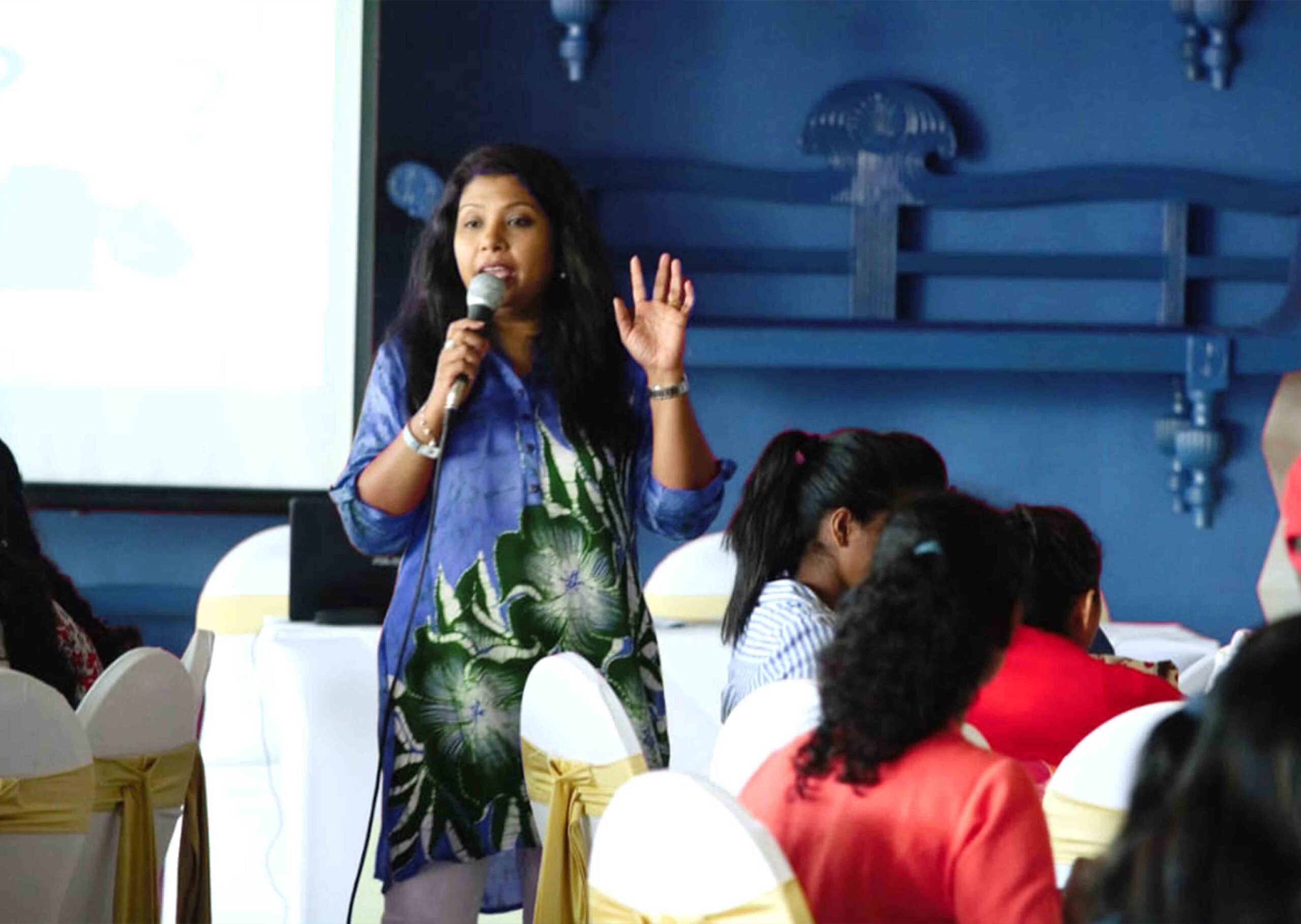
Ancient myths encode decisions not just in words but in physical posture and gesture—standing firm, hand raised in warning, or bowing in submission. These embodied forms influence how risk is communicated and perceived. Today, executives use confident presence, deliberate pacing, or symbolic hand motions to signal assurance or caution. This continuity shows how mythic embodiment remains a powerful tool in framing and presenting risk to others.
Myth-Infused Framing in Leadership and Organizational Culture
Organizations increasingly draw on mythic archetypes to shape culture and strategy. For example, Apple’s “Think Different” campaign invokes the mythic rebel hero—challenging the status quo with visionary courage. Similarly, leadership coaching uses mythic narratives to inspire resilience and moral clarity. By embedding mythic logic into mission statements, training, and storytelling, companies align daily choices with deeper purpose, reducing decision fatigue and enhancing coherence.
The Unseen Mythic Currents Behind Financial and Personal Risk Behaviors
Empirical research reveals mythic patterns in financial behavior: investors often “chase the hero’s journey,” overconfidence after a win, or panic after a setback—mirroring Prometheus’s downfall. Behavioral economists confirm that narratives shape risk perception: people respond more to stories of transformation than to abstract probabilities. Recognizing these mythic currents helps explain market volatility, consumer choices, and personal decisions, guiding more human-centered policy and design.
How The Echoes of Choice Finalizes the Bridge from Mythic Foundations to Practical Decision-Making
The parent theme—How Mythology Shapes Modern Risk and Rewards—reveals that myth is not escapism, but a foundational language for navigating uncertainty. From archetypes to ritual, from cyclical time to embodied presence, these ancient narratives offer timeless tools: they help us **understand risk as part of the human journey**, **embrace ambiguity with courage**, and **act with purpose beyond immediate outcomes**. Just as the mythic mind processed danger and reward through story, modern decision-makers benefit from integrating mythic wisdom into frameworks of strategy, leadership, and personal growth.
The Continuity of Mythic Wisdom: From Ancient Narratives to Everyday Choices
The echoes of choice persist because myth transforms risk from a burden into a rite of passage. Whether launching a startup, choosing a career, or responding to crisis, we still grapple with the same questions: What am I willing to risk? What will the consequences teach me? By returning to myth, we reclaim a deeper, more resilient way of deciding—one rooted not in fear, but in meaning, story, and transformation.
“We don’t escape the world’s risks—we engage them through story.”* — Echoes of Prometheus in modern entrepreneurial spirit
| Section Summary & Practical Takeaway | What to Learn |
|---|---|
| Mythic archetypes like Prometheus and the Hero provide psychological scaffolding for risk-taking and resilience. | Recognize recurring narrative patterns in your own decisions to build clarity and purpose. |
| Rituals and embodied gestures regulate anxiety, enhancing decision quality in high-stakes moments. | Incorporate mindful practices to ground choices in deeper meaning, not just data. |
| Cyclical and symbolic time models encourage strategic pauses and renewal, countering relentless linear progress. | Use mythic time logic to balance urgency with reflective planning in leadership. |
| Oracle-like foresight and prophetic wisdom improve long-term risk anticipation and adaptive strategy. | Design decision frameworks that blend data with narrative insight for richer outcomes. |